
Business Guide to Wyoming, USA
Introduction
Wyoming, known for its expansive landscapes and robust energy sector, offers entrepreneurs a unique blend of low operating costs and supportive state policies. With no corporate or personal income taxes, businesses can maximize profitability while benefiting from a streamlined regulatory framework. The state's strategic central location provides access to markets across the Rocky Mountain region, while ongoing investments in renewable energy and tourism diversification create fresh growth avenues. Local government agencies actively engage with startups and small enterprises through grants, tax credits, and workforce development programs, fostering an environment where innovation thrives. Whether you're launching a tech venture, outdoor recreation service, or advanced manufacturing operation, Wyoming's business climate combines stability, cost efficiency, and community support to drive sustainable growth in a rapidly evolving economy.
Why Start Here
Entrepreneurs choose Wyoming for its unparalleled cost advantages, including zero state income taxes and affordable commercial real estate. The state government offers targeted grants, tax credits, and streamlined permitting processes that reduce administrative burdens for new businesses. Wyoming's small population fosters strong community networks and personalized support through economic development offices and industry associations. Low utility rates and energy costs further enhance profitability for energy-intensive operations. Proximity to regional distribution hubs and major highways ensures efficient supply chain management. Moreover, workforce training programs in partnership with local colleges prepare talent for specialized roles. This combination of fiscal incentives, operational efficiency, and community engagement makes Wyoming an ideal launchpad for startups and expanding enterprises.
Wyoming Economic Snapshot
Wyoming Business Scorecard
Infrastructure & Connectivity
Workforce Quality
Industry Landscape in Wyoming
Wyoming's economy is anchored by energy production, agriculture, and tourism, generating approximately $40 billion in annual GDP. The state's low population density around 580,000 residents translates into reduced competition and lower real estate costs for businesses. Key sectors include oil and gas extraction, coal mining, cattle ranching, and outdoor recreation services, while emerging industries such as wind power and technology startups are gaining traction. With a business-friendly regulatory environment, minimal licensing requirements, and one of the lowest tax burdens in the nation, Wyoming attracts investors seeking stability and operational flexibility. Infrastructure assets include modern highways, rail connections to major markets, and expanding broadband networks. Local workforce initiatives and community colleges support skill development, ensuring access to a growing talent pool.
Business Environment
Wyoming's business environment is characterized by minimal regulatory hurdles, competitive tax structures, and proactive governmental support. The absence of state corporate and personal income taxes, coupled with property tax incentives for new developments, reduces financial barriers. Licensing and permitting procedures are managed through centralized agencies, streamlining compliance for diverse sectors from energy extraction to tourism. Infrastructure investments in highways, rail networks, and broadband expansion facilitate efficient operations and market access. A statewide workforce training system, coordinated by community colleges, addresses skill gaps in manufacturing, technology, and health services. Business associations and economic development councils collaborate to provide resources, mentorship, and networking events. Additionally, local governments offer targeted grants and low-interest loans, ensuring businesses receive financial and logistical backing. This cohesive framework fosters a resilient and dynamic entrepreneurial ecosystem.
Regulatory & Tax Climate
Wyoming's regulatory framework emphasizes efficiency and clarity, with centralized permitting processes and minimal compliance fees. Businesses in energy, agriculture, and manufacturing benefit from sector-specific guidelines that streamline approvals for exploration, land use, and production. Environmental regulations balance resource development with conservation through flexible emissions standards and water usage permits. The Department of Workforce Services oversees labor laws, with low workers' compensation rates and predictable unemployment insurance contributions. Corporate filings are managed online, reducing paperwork and processing times. No state-level franchise or inventory taxes further simplify financial reporting. Regular stakeholder consultations ensure that regulatory updates reflect industry needs, supporting both established companies and emerging startups. Overall, Wyoming provides a stable, transparent, and business-friendly regulatory environment.
Business Registration Process
Startup & Business Conditions in Wyoming
Total Business Types
Average Startup Cost
Difficulty Breakdown
| Business Type | Estimated Startup Cost | Difficulty | Profit Margin |
|---|---|---|---|
| Accounting and Tax Practices | USD$: 64,000 - 192,000 | Hard | 20.00% |
| Agriculture and Farms | USD$: 10,000 - 50,000 | Hard | 10.00% |
| Agriculture and Farms | USD$: 21,000 - 63,000 | Medium | 20.00% |
| American Restaurants | USD$: 104,000 - 312,000 | Easy | 20.00% |
| Architecture and Engineering Firms | USD$: 137,000 - 411,000 | Easy | 20.00% |
| Art Galleries | USD$: 30,000 - 150,000 | Medium | 15.00% |
Top Cities for Business in Wyoming
Explore business opportunities in these key cities across Wyoming
Laramie
Business Guide for Laramie
Explore OpportunitiesSheridan
Business Guide for Sheridan
Explore OpportunitiesEvanston
Business Guide for Evanston
Explore OpportunitiesTorrington
Business Guide for Torrington
Explore OpportunitiesDouglas
Business Guide for Douglas
Explore OpportunitiesNewcastle
Business Guide for Newcastle
Explore OpportunitiesLander
Business Guide for Lander
Explore OpportunitiesGillette
Business Guide for Gillette
Explore OpportunitiesRock Springs
Business Guide for Rock Springs
Explore OpportunitiesFeatured Franchises in Wyoming


Businesses for Sale in Wyoming
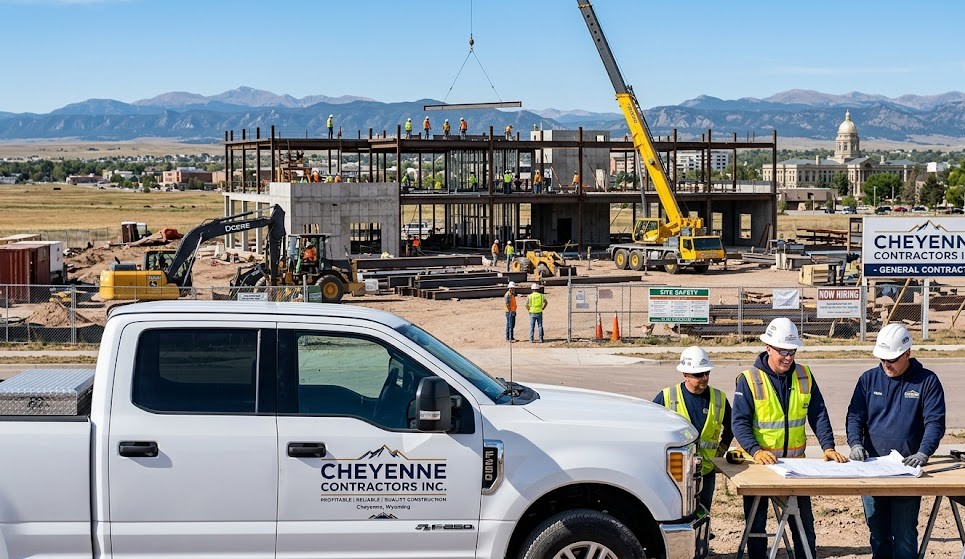 Profitable Construction & Contracting Company for Sale – Cheyenne –
Cheyenne
Profitable Construction & Contracting Company for Sale – Cheyenne –
CheyenneAsking Price: USD$: 720,000
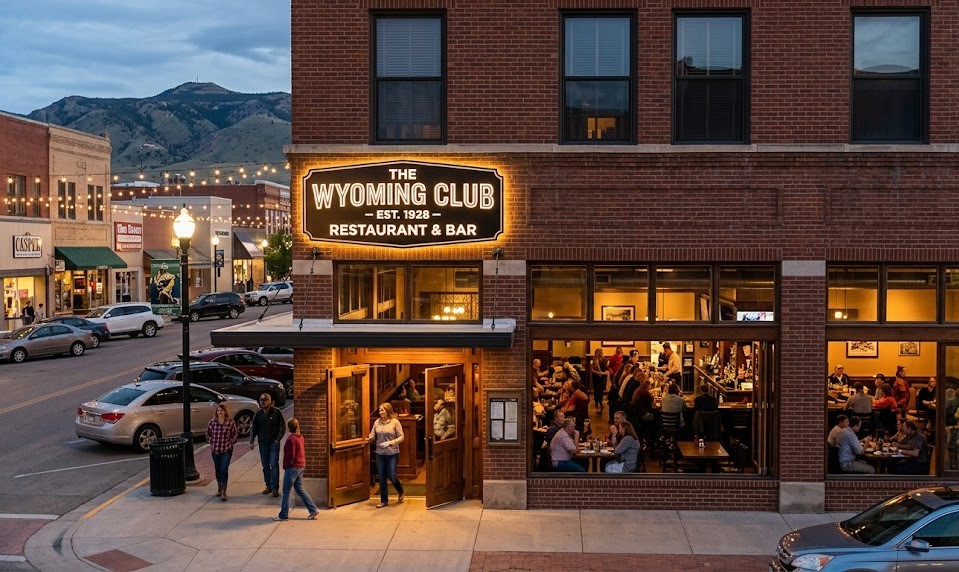
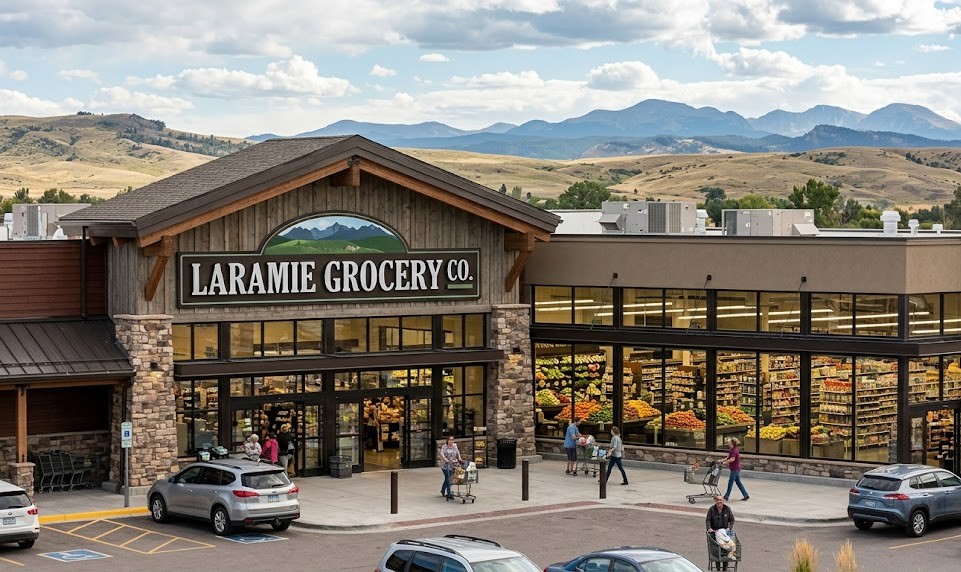
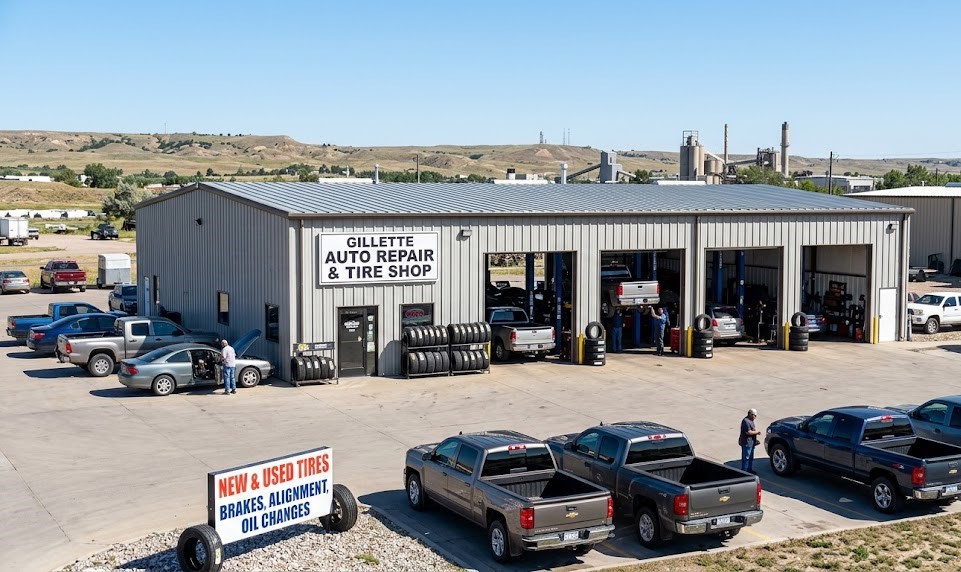

Explore Wyoming business opportunities now
Get personalized assistance with your business journey in Wyoming
Get Started Today