
Maine State Business Guide
Introduction
Maine has long been recognized for its scenic landscapes, coastal industries, and resilient small business community. Entrepreneurs are drawn to its supportive local networks, affordable operating costs relative to national urban centers. The state's economy benefits from well established sectors such as fishing, forestry, tourism, and agriculture while emerging renewable energy initiatives and technology startups demonstrate growing innovation capacity. Quality of life and a collaborative regulatory environment provide a solid foundation for new ventures. With targeted state incentives, access to federal programs, and close connections between educational institutions and industry, Maine offers a unique combination of natural resources and growing economic diversification for aspiring business owners. State programs such as the Pine Tree Development Zone offer tax relief for high growth companies, while small business development centers provide expert guidance on financing, marketing, and operational strategy.
Why Start Here
Entrepreneurs should consider Maine for its strategic combination of affordable operating costs, strong community networks, and targeted incentives. State agencies and nonprofit partners provide comprehensive support from concept development to scaling. Access to technical expertise through university research centers and small business development programs reduces barriers to entry. Maine's stable economic sectors, including forestry, fishing, and tourism, deliver predictable demand while emerging clean energy projects create innovative avenues. Quality of life, with abundant natural resources and close knit communities, fosters employee retention. The scalable ecosystem is ideal for startups seeking a collaborative environment backed by government grants, workforce training, and open market access in the northeastern United States.
Maine Economic Snapshot
Maine Business Scorecard
Infrastructure & Connectivity
Workforce Quality
Industry Landscape in Maine
Maine's diverse economy is anchored by traditional industries such as fishing, forestry, and agriculture, which account for a significant portion of local employment. The tourism sector capitalizes on coastal scenery and outdoor recreation, attracting millions of visitors each year. Emerging opportunities in renewable energy and technology offer pathways for innovation and long term growth. Proximity to Canadian markets and northeastern U.S. hubs enhances trade potential. Support from regional development agencies, local chambers of commerce, and community banks further strengthens the ecosystem. Maine's relatively low cost of living and strong quality of life contribute to workforce retention. Combined with targeted state incentives and an expanding startup community, the state presents a balanced environment for businesses of all sizes.
Business Environment
Maine's business environment blends traditional strengths with evolving innovation hubs. The regulatory framework is streamlined through online licensing and permitting systems, reducing administrative burdens for small and medium enterprises. Tax incentives, including credits for research and development and the Pine Tree Zone program, support high growth companies. Local colleges and technical schools collaborate with businesses to cultivate a skilled workforce in sectors like advanced manufacturing and marine technology. Community banks and regional credit unions offer flexible lending tailored to local conditions. Chambers of commerce in major cities such as Portland and Bangor facilitate networking events and mentorship programs. Infrastructure improvements in broadband and transportation corridors support efficient operations across urban and rural areas.
Regulatory & Tax Climate
Maine's regulatory environment is designed to facilitate business growth while maintaining environmental and public health standards. The Department of Environmental Protection oversees compliance for industries such as aquaculture and forestry with clear guidelines and online reporting portals. Employment regulations align with federal labor laws, and state specific wage and benefits requirements are communicated through workforce agencies. Construction and zoning codes vary by municipality but are accessible through digitized county records. Food safety and health inspections are coordinated by the Department of Agriculture, Conservation and Forestry with transparent timelines. Licensing processes for professional services are efficient, supported by state licensure boards. Overall regulatory complexity remains moderate, with dedicated ombudsman support to resolve compliance questions.
Business Registration Process
Startup & Business Conditions in Maine
Total Business Types
Average Startup Cost
Difficulty Breakdown
| Business Type | Estimated Startup Cost | Difficulty | Profit Margin |
|---|---|---|---|
| Accounting and Tax Practices | USD$: 15,000 - 100,000 | Easy | 35.00% |
| Agriculture and Farms | USD$: 10,000 - 50,000 | Hard | 10.00% |
| Agriculture and Farms | USD$: 25,000 - 150,000 | Hard | 18.00% |
| American Restaurants | USD$: 50,000 - 300,000 | Medium | 18.00% |
| Architecture and Engineering Firms | USD$: 30,000 - 200,000 | Medium | 30.00% |
| Art Galleries | USD$: 25,000 - 150,000 | Medium | 30.00% |
Top Cities for Business in Maine
Explore business opportunities in these key cities across Maine
Lewiston
Business Guide for Lewiston
Explore OpportunitiesSouth Portland
Business Guide for South Portland
Explore OpportunitiesOrono
Business Guide for Orono
Explore OpportunitiesSaco
Business Guide for Saco
Explore OpportunitiesSanford
Business Guide for Sanford
Explore OpportunitiesAugusta
Business Guide for Augusta
Explore OpportunitiesWaterville
Business Guide for Waterville
Explore OpportunitiesAuburn
Business Guide for Auburn
Explore OpportunitiesWindham
Business Guide for Windham
Explore OpportunitiesFeatured Franchises in Maine








Businesses for Sale in Maine

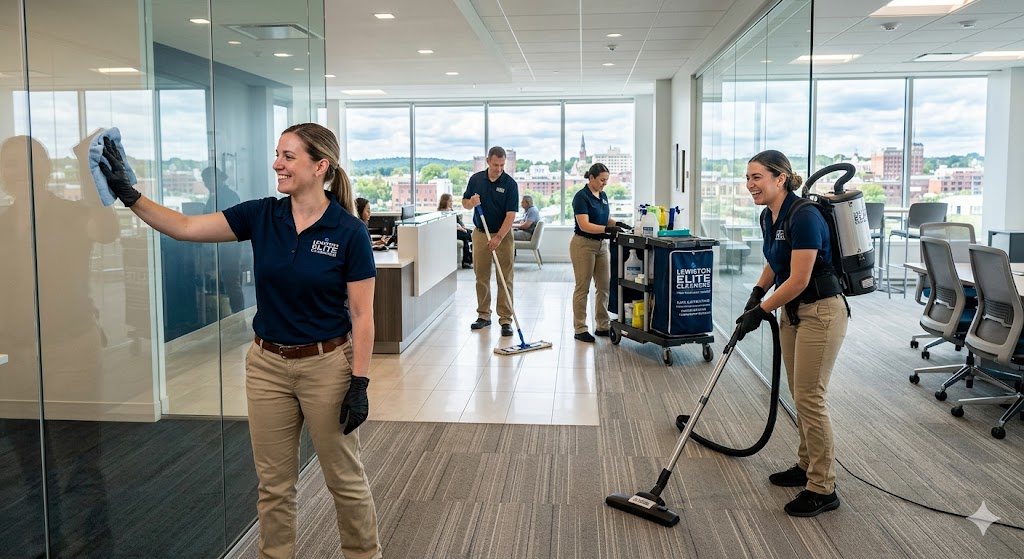

Start your Maine business journey today
Get personalized assistance with your business journey in Maine
Get Started Today