
Business Guide to South Carolina
Introduction
South Carolina combines a robust manufacturing sector with a growing tech ecosystem, making it an attractive destination for entrepreneurs and investors alike. The state boasts a population of over 5 million, a GDP exceeding $255 billion, and a strategic location on the Atlantic Coast with major ports in Charleston and Georgetown. Low corporate tax rates, competitive labor costs, and targeted incentives support the development of advanced manufacturing, aerospace, automotive, and agribusiness firms. A network of research universities, including Clemson and the University of South Carolina, fuels workforce development and innovation. From the renewable energy hubs in Berkeley County to the logistics corridors along I-95, South Carolina offers diverse opportunities for startups and established businesses. This guide provides an in-depth overview of market dynamics and growth drivers driving business success in the Palmetto State.
Why Start Here
Entrepreneurs should consider South Carolina for its competitive cost structure, skilled talent pool, and strategic location. The state offers low corporate tax rates and targeted incentives, including tiered credits and customized workforce training. Proximity to multiple interstates, international ports, and dedicated industrial parks reduces logistics costs. Collaborative research partnerships with universities ensure access to cutting-edge technology and talent. A growing venture capital community in Charleston and Charlotte metro regions supports early-stage startups. Quality of life, affordable real estate, and business-friendly policies make South Carolina an ideal base for companies seeking to expand into the Southeast US market.
South Carolina Economic Snapshot
South Carolina Business Scorecard
Infrastructure & Connectivity
Workforce Quality
Industry Landscape in South Carolina
South Carolina's economy is anchored by advanced manufacturing, aerospace, automotive, and agribusiness. The state has attracted major corporations, including Boeing, BMW, and Michelin, benefiting from workforce training programs and public-private partnerships. Export-driven clusters around the Port of Charleston support international trade and logistics services, while inland metros like Greenville-Spartanburg link manufacturers to national markets via I-85. Rapid investment in renewable energy projects in Florence and Berkeley counties underscores a shift towards sustainable growth. Research institutions drive innovation in biotechnology and materials science. The diversified economy, coupled with a pro-business regulatory environment and targeted incentive programs, provides a stable foundation for both startups and established enterprises looking to scale operations in the region.
Business Environment
South Carolina maintains a business-friendly environment characterized by streamlined permitting processes, right-to-work laws, and a regulatory framework that favors investment. The Department of Commerce provides competitive incentives, such as job development credits and foreign trade zones. Local economic development offices offer site selection assistance and workforce recruitment support. Labor costs remain below the national average, while productivity continues to rise due to ongoing automation investments. Infrastructure investments in road, rail, and port facilities enhance connectivity to domestic and international markets. A statewide focus on STEM education and vocational training ensures a pipeline of skilled workers. This combination of policy, infrastructure, and talent makes South Carolina a strategic location for businesses across sectors.
Regulatory & Tax Climate
Regulatory compliance in South Carolina is governed by the Department of Revenue, Department of Environmental Control, and Office of Regulatory Staff. Corporations must register with the Secretary of State and obtain necessary local business licenses. Environmental permitting for manufacturing and energy projects follows streamlined procedures under state and federal guidelines. Labor regulations align with federal standards, maintaining right-to-work provisions and minimum wage set at the federal level. Tax filing deadlines adhere to standard schedules, with electronic filing options. The state offers pre-clearance meetings and regulatory consultations to expedite approvals. Overall, regulatory complexity is moderate, with clear processes and digital tools reducing administrative burdens for most businesses.
Business Registration Process
Startup & Business Conditions in South Carolina
Total Business Types
Average Startup Cost
Difficulty Breakdown
| Business Type | Estimated Startup Cost | Difficulty | Profit Margin |
|---|---|---|---|
| Agriculture and Farms | USD$: 50,000 - 200,000 | Hard | 25.00% |
| Agriculture and Farms | USD$: 10,000 - 50,000 | Hard | 10.00% |
| Art Galleries | USD$: 30,000 - 150,000 | Medium | 15.00% |
| Auto Repair and Service Shops | USD$: 50,000 - 200,000 | Medium | 20.00% |
| Auto Repair and Service Shops | USD$: 50,000 - 200,000 | Medium | 18.00% |
| Banquet Halls | USD$: 150,000 - 800,000 | Medium | 20.00% |
Top Cities for Business in South Carolina
Explore business opportunities in these key cities across South Carolina
Hilton Head Island
Business Guide for Hilton Head Island
Explore OpportunitiesEasley
Business Guide for Easley
Explore OpportunitiesFlorence
Business Guide for Florence
Explore OpportunitiesMauldin
Business Guide for Mauldin
Explore OpportunitiesMount Pleasant
Business Guide for Mount Pleasant
Explore OpportunitiesRock Hill
Business Guide for Rock Hill
Explore OpportunitiesAnderson
Business Guide for Anderson
Explore OpportunitiesSumter
Business Guide for Sumter
Explore OpportunitiesNorth Augusta
Business Guide for North Augusta
Explore OpportunitiesFeatured Franchises in South Carolina









Businesses for Sale in South Carolina
 Profitable Coastal Seafood Restaurant for Sale – Charleston –
Charleston
Profitable Coastal Seafood Restaurant for Sale – Charleston –
CharlestonAsking Price: USD$: 520,000
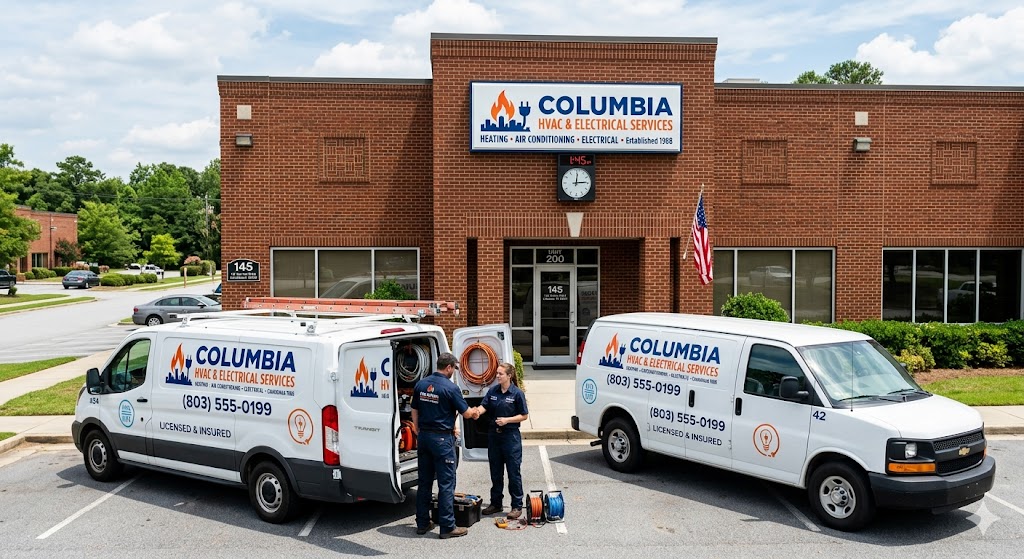 Established HVAC & Electrical Services Company for Sale – Columbia –
Columbia
Established HVAC & Electrical Services Company for Sale – Columbia –
ColumbiaAsking Price: USD$: 890,000

Start your South Carolina business journey today
Get personalized assistance with your business journey in South Carolina
Get Started Today