
Utah Business Guide
Introduction
Utah offers a dynamic economic landscape combining mountainous resources, a growing urban population, and a robust technology sector. Entrepreneurs benefit from proximity to Salt Lake City, strong infrastructure, and supportive state policies that foster innovation across diverse industries. With a population exceeding 3 million, Utah balances small-town charm and metropolitan amenities, providing affordable living costs and high quality of life. Access to top-tier universities fuels a skilled workforce, while low corporate taxes enhance profitability for startups and established enterprises alike. Expansive transportation networks facilitate interstate commerce, and ongoing investments in renewable energy and advanced manufacturing highlight the state's forward-looking agenda. Ambitious founders will find financial incentives, networking opportunities, and collaboration spaces ready to accelerate their business growth in the Beehive State.
Why Start Here
Utah ranks among the top states for business formation due to its low tax rates, streamlined permitting processes, and supportive entrepreneurship programs. Startups gain access to funding through state-backed grants, private venture capital, and university-affiliated accelerators. The community-driven culture fosters collaboration between founders, investors, and academic researchers. With abundant coworking spaces and industry-focused events, Utah entrepreneurs can quickly validate ideas and build networks. Strategic collaborations with energy, software, biotech, and outdoor recreation sectors create a fertile ground for innovation. Local government agencies also offer guidance on licensing and compliance, helping businesses navigate initial setup smoothly. This combination of resources and support makes Utah an ideal launchpad for new ventures.
Utah Economic Snapshot
Utah Business Scorecard
Infrastructure & Connectivity
Workforce Quality
Industry Landscape in Utah
Utah's economy is anchored by a diversified mix of industries, including technology, aerospace, tourism, and life sciences. The state benefits from business-friendly regulations, competitive tax incentives, and a growing population driven by strong job markets. Major urban centers like Salt Lake City and Provo host research institutions and innovation hubs that attract both domestic and international investment. Utah's strategic location provides access to western US markets and vital transportation corridors. The local workforce boasts high educational attainment and vocational skills matched to emerging sectors, while quality-of-life factors such as outdoor recreation and cultural amenities support talent retention. Combined, these strengths position Utah as a prime destination for companies seeking sustainable growth and long-term profitability.
Business Environment
Utah's business environment is characterized by a favorable regulatory framework, competitive taxation, and strong public-private partnerships. The state government actively promotes economic development through targeted incentives, workforce training programs, and infrastructure investments. A pro-business attitude is evident in streamlined permitting processes and flexible zoning policies that support rapid project deployment. Financial services, technology incubators, and research centers collaborate closely with local universities to drive innovation and commercialization. Utah's diverse geographic regions offer logistical advantages for supply chain management, from rail corridors to air freight hubs. Moreover, quality-of-life indicators, such as low crime rates and abundant recreation, contribute to talent attraction and retention. The collaborative ecosystem among industry clusters, government agencies, and academia creates an optimal environment for sustainable business growth.
Regulatory & Tax Climate
Utah's regulatory framework emphasizes efficiency and clarity, with the Division of Corporations providing online filing for business formation and annual reporting. Licensing requirements vary by industry, but state agencies offer centralized guidance through the Utah.gov portal to streamline compliance. Environmental regulations, overseen by the Division of Air Quality and Water Quality boards, adhere to federal standards while encouraging sustainable practices. Labor laws follow federal guidelines, with additional provisions for unemployment insurance and workers' compensation administered at the state level. Tax compliance is managed by the Utah State Tax Commission, offering electronic filing options for sales, use, and corporate income taxes. Overall, the regulatory environment balances oversight with accessibility to ensure businesses can operate with minimal administrative burden.
Business Registration Process
Startup & Business Conditions in Utah
Total Business Types
Average Startup Cost
Difficulty Breakdown
| Business Type | Estimated Startup Cost | Difficulty | Profit Margin |
|---|---|---|---|
| Accounting and Tax Practices | USD$: 10,000 - 50,000 | Easy | 30.00% |
| Agriculture and Farms | USD$: 15,000 - 60,000 | Medium | 25.00% |
| Agriculture and Farms | USD$: 10,000 - 50,000 | Hard | 10.00% |
| American Restaurants | USD$: 50,000 - 300,000 | Medium | 18.00% |
| Architecture and Engineering Firms | USD$: 20,000 - 150,000 | Medium | 30.00% |
| Art Galleries | USD$: 30,000 - 150,000 | Medium | 15.00% |
Top Cities for Business in Utah
Explore business opportunities in these key cities across Utah
Logan
Business Guide for Logan
Explore OpportunitiesWest Valley City
Business Guide for West Valley City
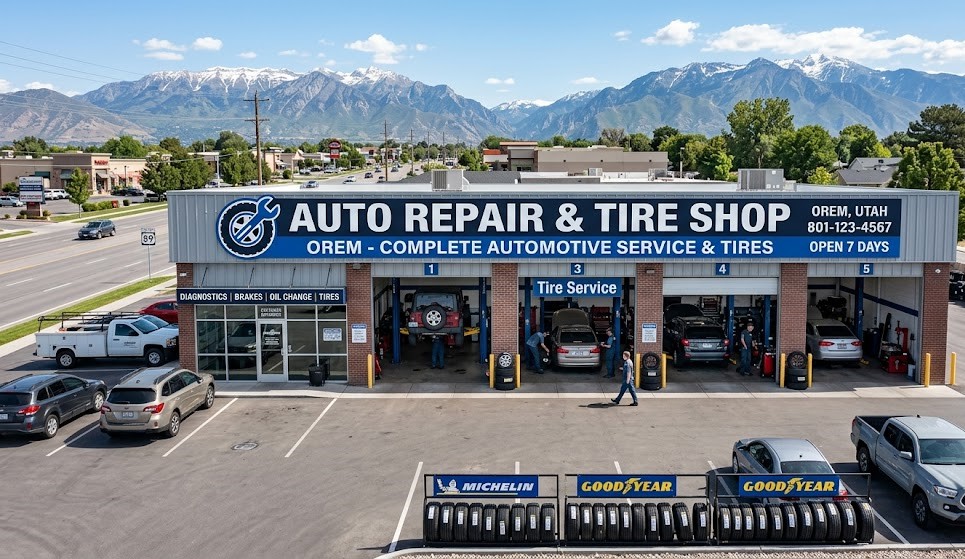
Explore OpportunitiesOrem
Business Guide for Orem
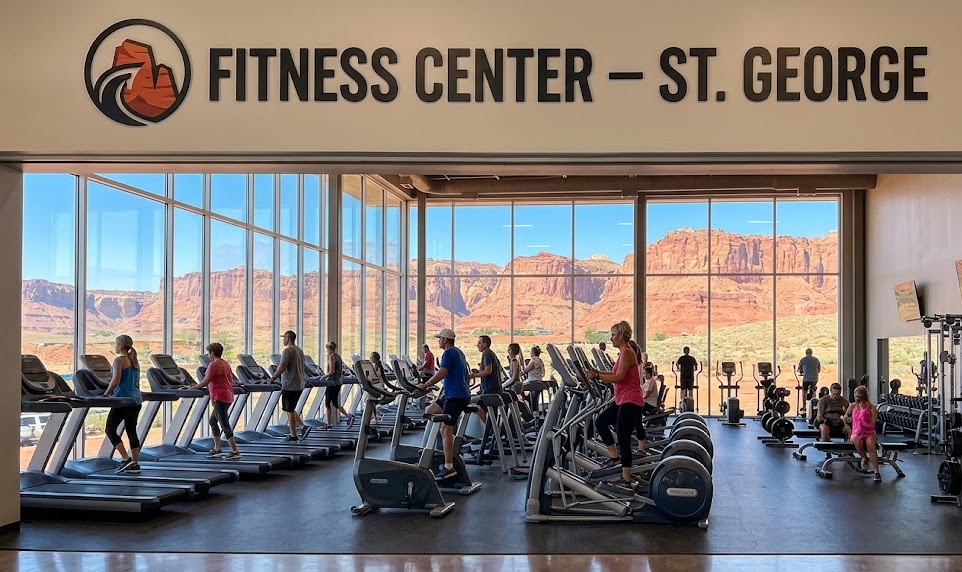
Explore OpportunitiesSt. George
Business Guide for St. George
Explore OpportunitiesTaylorsville
Business Guide for Taylorsville
Explore OpportunitiesLehi
Business Guide for Lehi
Explore OpportunitiesSouth Jordan
Business Guide for South Jordan
Explore OpportunitiesRiverton
Business Guide for Riverton
Explore OpportunitiesBountiful
Business Guide for Bountiful
Explore OpportunitiesFeatured Franchises in Utah




Businesses for Sale in Utah
 Profitable IT Services Company for Sale – Salt Lake City –
Salt Lake City
Profitable IT Services Company for Sale – Salt Lake City –
Salt Lake CityAsking Price: USD$: 720,000
Explore Utah's business opportunities now
Get personalized assistance with your business journey in Utah
Get Started Today